
Modern IT environments are more distributed, complex, and dynamic than ever. As a result, traditional monitoring tools, once the backbone of IT operations, are no longer enough. Tracking metrics like CPU utilization, disk space, and system response times only provides a surface-level view. These tools react after something breaks, triggering alerts and opening tickets that teams must investigate manually.
Today, leading organizations and forward-thinking IT service providers are embracing a new standard: shifting from reactive monitoring to proactive, self-healing operations powered by observability, orchestration, and AI.
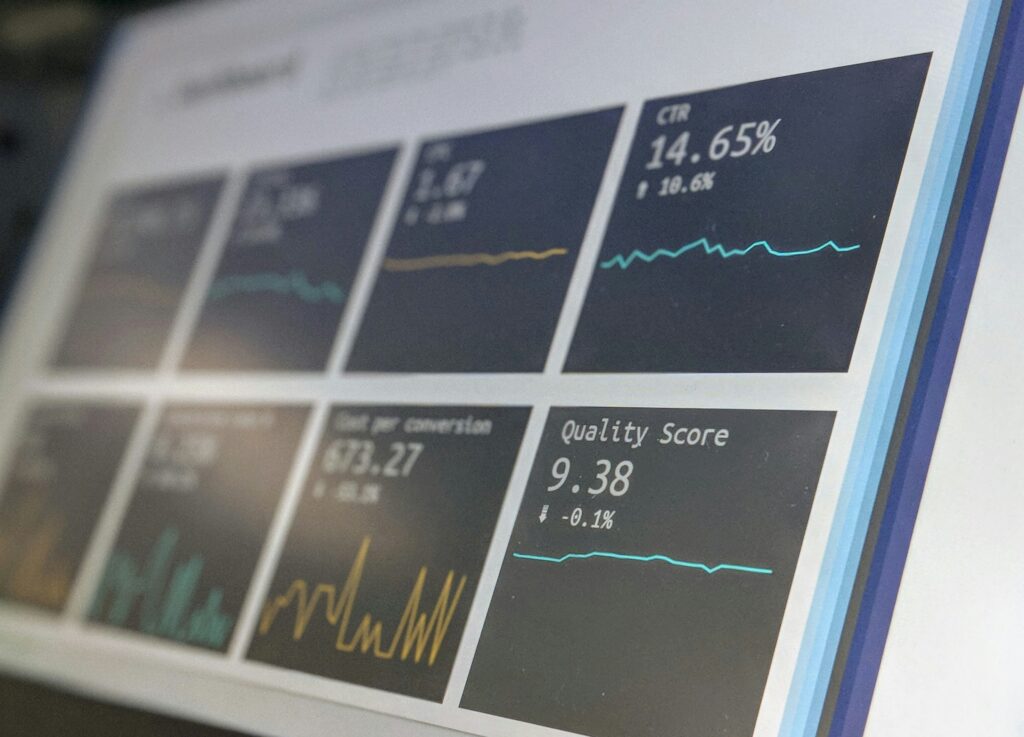
Why Observability Matters in Modern IT Infrastructure Management Services
Monitoring tells you what happened, observability tells you why it happened.
As IT environments expanded across hybrid cloud, microservices, containers, and distributed architectures, the discipline of observability emerged to provide deeper insight and context.
Defined in frameworks such as Google’s Site Reliability Engineering (SRE) model and the CNCF ecosystem, observability uses logs, metrics, traces, events, and contextual data to help IT teams understand the internal state of their systems simply by analyzing their external outputs.
In this world, IT infrastructure management services cannot rely on dashboards and thresholds alone. They need systems that can:
- Correlate events across multiple platforms
- Understand dependencies and service maps
- Identify not just symptoms, but root causes
- Detect unusual behavior before it becomes an outage
This is where AI becomes transformative.

AI + Orchestration: The Future of Managed IT Support Services
AI excels at processing vast volumes of telemetry data and identifying patterns that humans simply cannot see. When paired with orchestration platforms, AI becomes an active decision-maker.
Instead of waiting for something to break, AI-enabled systems can:
- Continuously interpret system behavior
- Detect subtle anomalies that indicate early warning signs
- Predict potential incidents before they impact users
- Trigger automated remediation workflows
- Execute changes across infrastructure without human intervention
For organizations relying on managed IT support services, this represents a shift from automated reactions to intelligent, orchestrated operations. IT teams move from firefighting to strategic oversight. Service providers shift from labor-driven models to software-driven value.
Why Self-Healing Ops Require Smarter IT Support Agreements
As AI-driven observability and orchestration become standard, traditional support contracts no longer align with how modern IT operations deliver value. Labor hours, ticket volumes, and manual SLAs are relics of a reactive era.
CIOs and sourcing teams now face new expectations:
- Contracts must reflect outcome-based, software-led support
- Pricing should align with automation, not headcount
- Service terms should account for predictive and proactive capabilities
- Vendors must demonstrate AI maturity and governance
- Optimization must focus on performance, reliability, and automation quality
In short, the shift toward self-healing operations creates a clear mandate for contract optimization and modernized IT support agreements.
The New Standard Is Intelligence-Driven Ops
Reactive support is no longer sufficient. Forward-looking organizations and the IT service providers supporting them are embracing a future where AI, observability, and orchestration create intelligent, self-healing systems that prevent issues before they occur.
The results are: faster resolution, higher reliability, lower operational cost and better user experience. Self-healing is the new operational baseline.

Enter a New Era of Operational Excellence with Windsor Group
If you’re ready to modernize operations, optimize your IT support agreements, and unlock new levels of performance, Windsor Group can help. Our experts guide IT leaders through the transition to AI-driven operations, ensuring your contracts, capabilities, and strategy are fully aligned with the future.