
For decades, the standard model for IT support was built around scale. Organizations sourced global delivery teams, standardized processes, and layered in automation to make human labor more efficient. When you invested in IT support, you were effectively paying for people—measured in Full-Time Equivalents (FTEs)—supported by tools.
That model is quickly losing relevance.
Advancements in Generative AI, intelligent enterprise software, and agentic orchestration platforms are reshaping how IT support is delivered. The focus is shifting away from managing tickets and headcount toward governing data, automation, and outcomes.
For CIOs, this represents a fundamental change. IT support is no longer defined by labor capacity. It is defined by the performance of intelligent systems.

How AI Is Redefining IT Support Delivery
The operating model behind IT support is evolving rapidly.
Industry analysts, including HFS Research, describe this shift as “Services-as-Software”—a transition where software takes on the core execution of services, with human oversight focused on governance and continuous improvement.
While the terminology may vary, the underlying change is clear. The structure of IT service delivery is being redefined:
- Traditional models rely on human effort supported by tools
- Modern models rely on intelligent software systems supported by humans
AI agents, machine learning models, and orchestration platforms are now capable of handling incident resolution, event correlation, and system optimization in real time. These systems do not just respond to issues—they anticipate and prevent them.
This evolution introduces a new standard for how IT support should operate and deliver value.
Why This Shift Is Driving IT Cost Optimization
As AI becomes embedded in IT operations, the economics of IT support begin to change.

Labor Costs No Longer Define Value
When intelligent systems can resolve incidents instantly, the connection between labor and value weakens. Paying for time and headcount becomes increasingly difficult to justify, especially for high-volume, repeatable tasks.
Organizations that continue to operate under labor-based contracts often find themselves overpaying for services that can now be delivered more efficiently through automation.
Value Is Now Tied to System Performance
The true value of IT support lies in the effectiveness of the underlying systems. This includes:
- Accuracy of AI-driven decisions
- Speed of issue detection and resolution
- Ability to prevent disruptions before they occur
- Continuous improvement through learning and feedback
This shift requires a different approach to evaluating providers and structuring agreements.

Operational Metrics Must Evolve
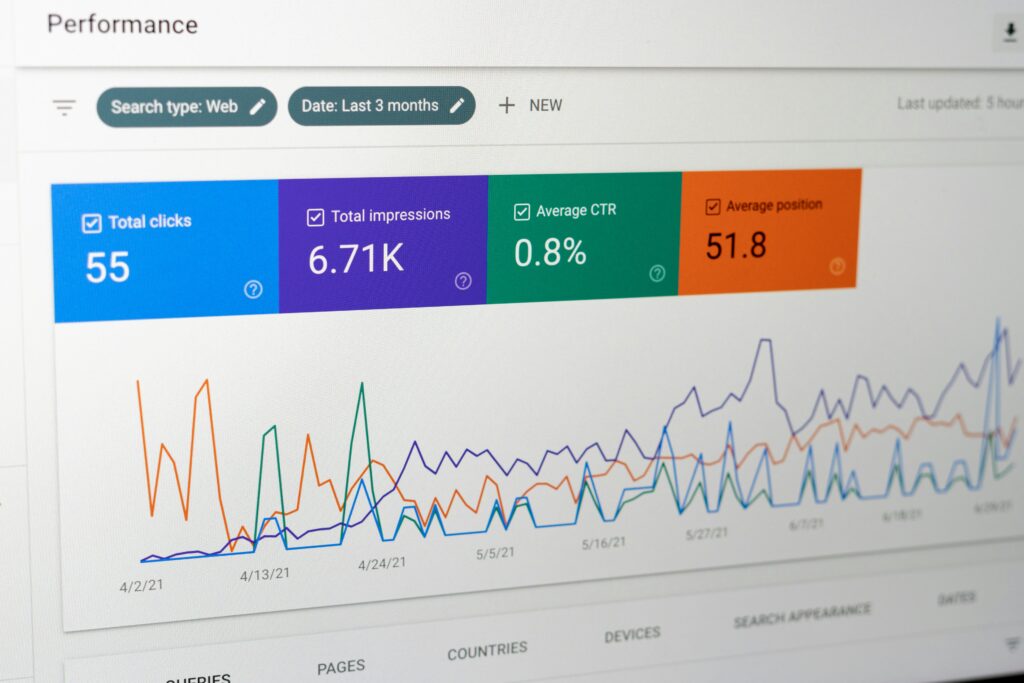
Traditional Service Level Agreements (SLAs) focus on response and resolution times. While still relevant, they no longer capture the full picture.
Modern IT environments require metrics that reflect predictive and autonomous capabilities, such as:
- Anomaly detection accuracy
- Auto-remediation rates
- System uptime driven by prevention, not recovery
- Efficiency gains through automation
These metrics better align with how value is created in AI-enabled environments.
What this Means for IT Support Services
For CIOs, adapting to this new model requires more than incremental change. It calls for a rethinking of how IT support is designed, governed, and sourced.
Data and Governance Become Foundational
The effectiveness of AI-driven operations depends on the quality of data and the strength of governance frameworks.
Organizations need a clear strategy to unify and manage data across systems, including telemetry, ticketing, and knowledge bases. This foundation enables AI models to operate accurately and consistently.
Governance is equally critical. CIOs must define how automated actions are controlled, monitored, and validated. Mechanisms such as human-in-the-loop oversight ensure that intelligent systems operate within acceptable risk thresholds.
Vendor Relationships Must Reflect a New Reality
Traditional outsourcing models are not designed for AI-driven service delivery. Contracts based on labor inputs and predefined processes often limit the ability to capture the full value of intelligent systems.
A modern approach to IT vendor management focuses on:
- Outcomes rather than effort
- Platform capabilities rather than headcount
- Continuous optimization rather than static delivery models
This requires working with partners who understand how to deliver and manage software-driven services at scale.
The Risk of Staying in a Labor-Based Model
Organizations that continue to rely on traditional IT support models face increasing challenges.
They may struggle to reduce costs, even as automation becomes more widely available. They may also find it difficult to improve service quality, as manual processes limit speed and scalability.
Perhaps most importantly, they risk falling behind competitors who are already leveraging AI to create more efficient and resilient operations.
The gap between these two approaches will continue to widen.
A Strategic Opportunity for CIOs
This shift presents a clear opportunity to rethink how IT support contributes to business performance.
By aligning IT strategy services with modern capabilities, organizations can:
- Reduce operational costs without sacrificing performance
- Improve service reliability through predictive capabilities
- Strengthen governance and control over automated systems
- Create a more scalable and adaptable IT environment
These outcomes position IT not just as a support function, but as a driver of business value.
Is Your IT Support Model Built for What Comes Next?
The evolution of IT support is already underway. The question is not whether this shift will happen, but how quickly organizations will adapt.
If your current model is still centered around labor, manual processes, and traditional contracts, it may be limiting your ability to capture the full value of modern technology.
Windsor Group helps CIOs redefine their approach to IT strategy services—aligning sourcing models, governance frameworks, and vendor relationships with the realities of AI-driven operations.
If you are evaluating how to modernize your IT support model, we can help you take the next step.